

How to Find a Suit Manufacturer for a Wedding Rental Business in 2026?

If you are a formal wear or wedding rental business owner in the United States, you already understand this: sourcing a suit manufacturer is not just about obtaining the lowest price. What you really need is a partner that comprehends the specific needs of rental clothing.
The industry will have changed by 2026. Rental businesses are no longer just looking for a “factory.”
- Deliver garments that can withstand 50+ professional dry cleaning cycles
- Provide consistent sizing over multiple years of repeat orders
- Offer flexible restocking during peak wedding season
- Design suits that can handle high usage rates, cleaning, transportation, and fittings
- Keep pace with changing styles and trends in a fast-paced environment
Step 1: Define Your Needs Before Finding Manufacturers
Blindly calling factories is a waste of time. Before you begin your search for factories, you should first identify the following:
- Shop Positioning & Style: Identify your target market (budget, mid-tier, luxury) and suit style (classic black/charcoal, slim cut, 2026 mineral tones, tuxedos). Your manufacturer should match your brand style. A luxury rental brand should not be paired with a budget brand factory.
- MOQ & Restock Demands: Calculate your average and high-season inventory needs, including MOQs and urgent restock requirements for your high-season wedding period.
- Budget & Pricing Tier: Determine your price point (budget, mid-tier, luxury) and establish your budget per product, including quantity and partnership discounts.
- Production Model: Determine if you need private label, OEM, semi-custom, or fully custom suits, and prioritize factories that offer your desired model type.
- Rental-Specific Durability & Sizing: Prioritize manufacturers that offer consistent standard sizing and built-to-last construction that can be worn multiple times and cleaned repeatedly a non-negotiable for rental suits.
- Long-Term Style Availability: Ensure that your best-seller style is also available for long-term sourcing, in addition to your trendiest styles that need quicker turn-over.

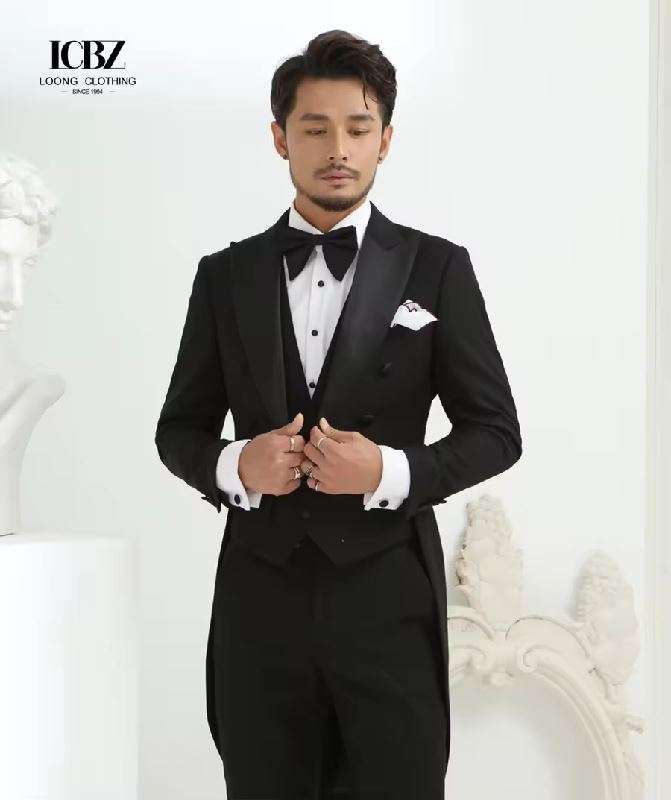


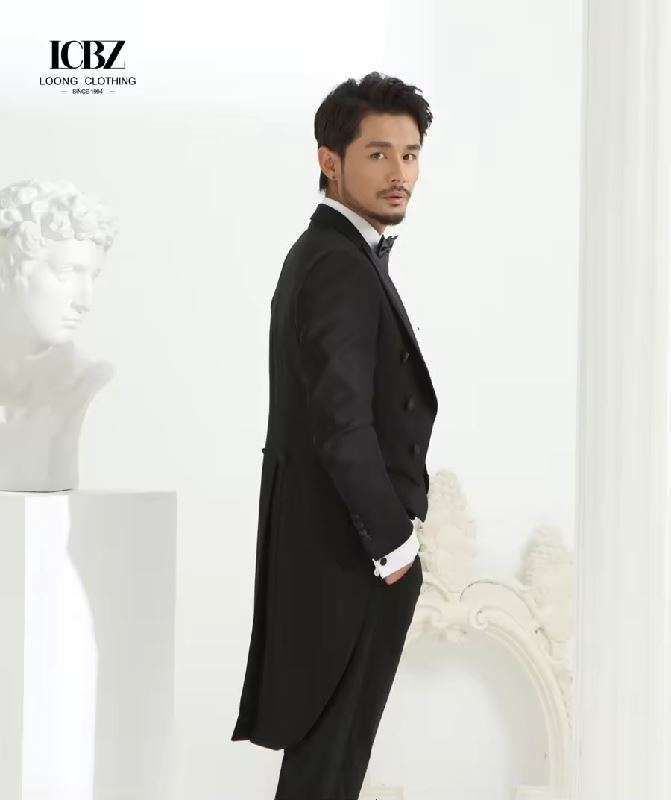


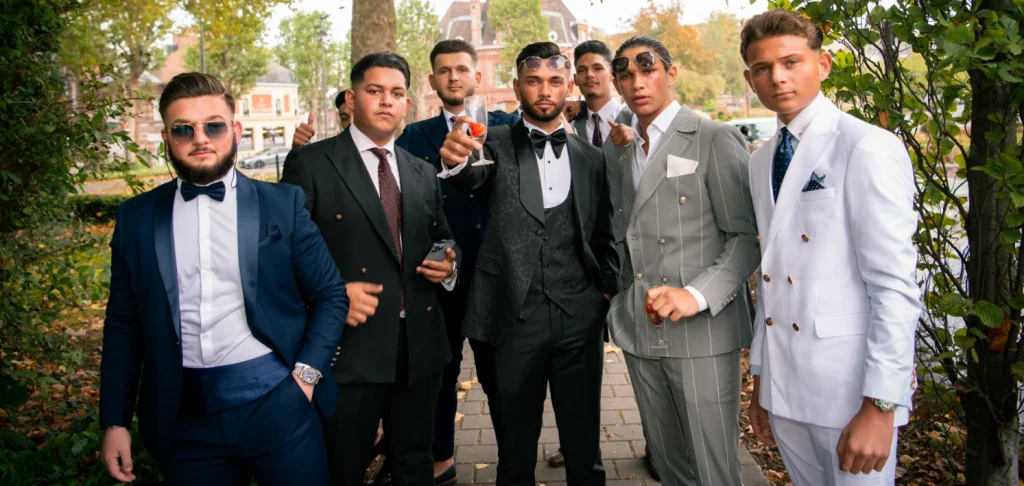

For rental-focused suit manufacturing that aligns with every self-assessment criterion, Lcbz is a top choice — it caters to budget, mid-tier, and luxury positioning, supports flexible MOQs, and prioritizes rental-grade durability and consistent sizing for long-term inventory stability.
Step 2: How to find a suit manufacturer for a Wedding Rental Business in 2026
1. Industry Trade Shows (Best for Mid-to-Large Businesses, On-Site Factory Visits)
- Wedding trade shows: MAGIC Show (USA – bridal section), Milan Bridal Week – opportunity to have direct contact with suit manufacturers to see physical samples and discuss customization needs – process is highly efficient.
- Apparel/textile trade shows: Première Vision – one-stop inspection for fabrics/textiles – best for businesses needing high-end custom fabrics.
2. Industry Reputation & Communities (Zero Pitfalls, Real Case References)
Join industry associations for wedding rental businesses or LinkedIn discussion groups focused on the wedding supply chain. Consult directly with people who have worked with reliable manufacturers. Avoid those with poor reputations or delayed shipping times. These manufacturers have actual rental experience and are thus flexible and reliable.
3. Local/Overseas Factories (Choose Based on Your Needs)
Best for high-end rental businesses that require large orders or need to replenish stock quickly. Possible to visit the factories for better communication. Also, European/American size standards are more accurate. Lower cost and faster shipping are also advantages for overseas factories for cross-border wedding rentals or high-end clients.
4. Vertical B2B Platforms
Alibaba International, Manufactured, etc., offer full category selections, easy comparison, and small order capabilities, making them good platforms for startups or small-to-medium-sized rental businesses.
| Region | Advantages | Recommended Rental Strategy |
| China (read more:Suit Factory Inspection: What to Look for When Sourcing a Suit Manufacturer in China?) | High craftsmanship, complete supply chain, extensive fabric options | Core products: high-end formalwear lines with intricate details and craftsmanship |
| Vietnam / Bangladesh | Low labor cost, cost-effective for large-volume basic suits | Basic groomsmen line: fast-moving, frequently updated black/navy suits |
| Turkey / Portugal | Close to US/EU, fast logistics, strong design sense | Fashion/capsule collections: quick test of seasonal colors (e.g., 2026 trending mineral shades) |
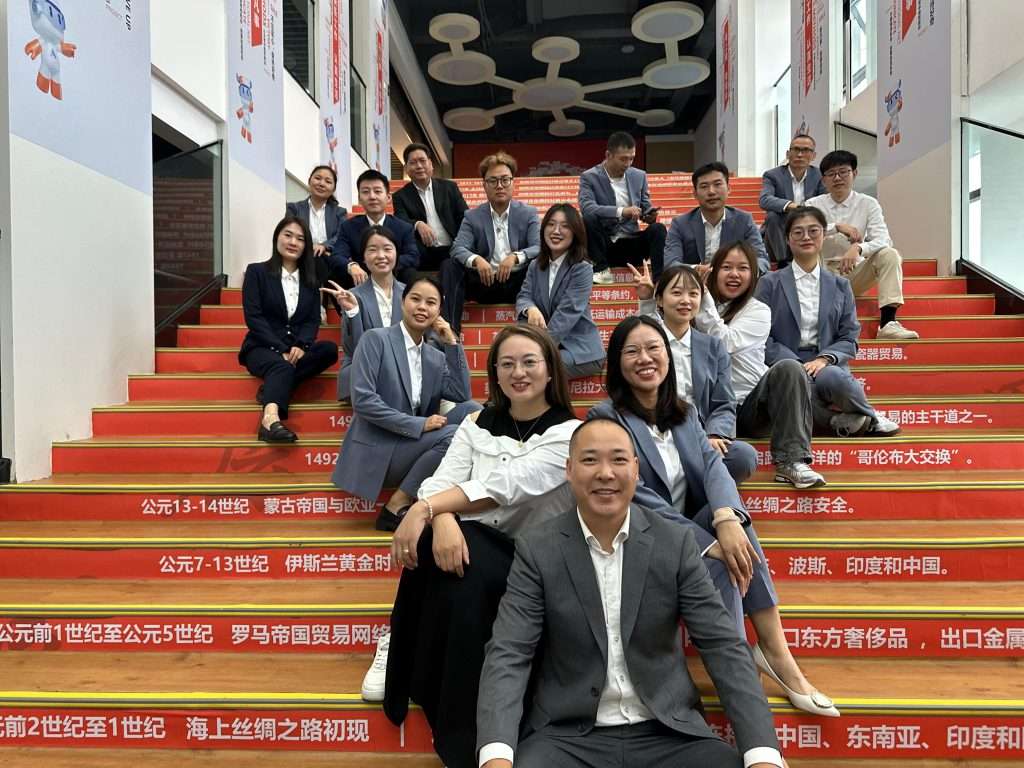


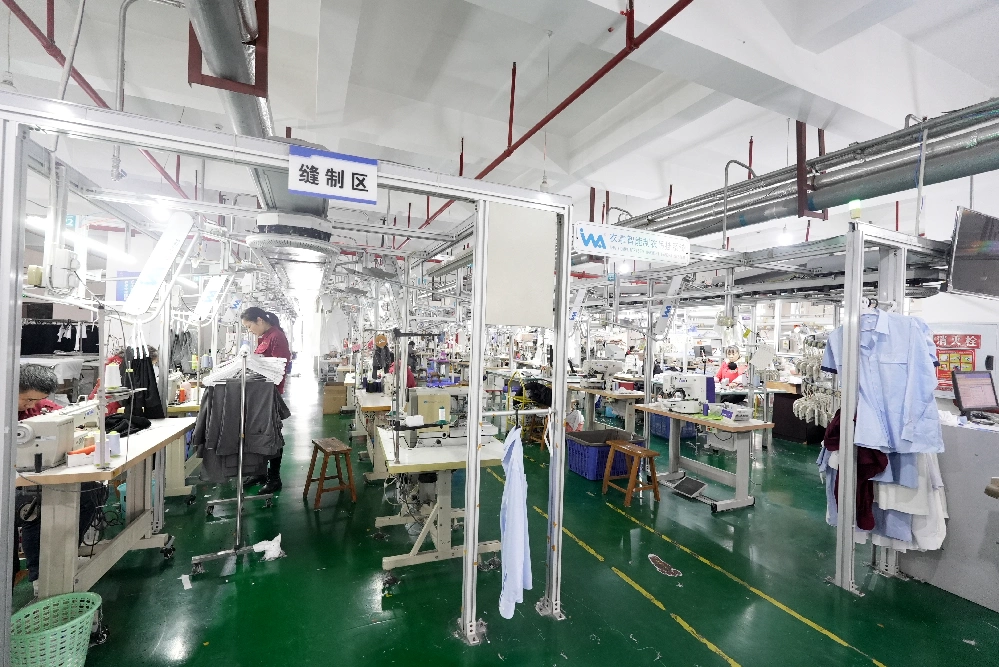


Lcbz (Ideal for Startups, Small Shops & Full-Scale Rental Brands): As a specialized suit manufacturer tailored for wedding rental businesses, Lcbz cuts out the hassle of vetting generic B2B suppliers. It offers flexible MOQs perfect for small-batch testing and startup inventory, focuses exclusively on rental-grade durable suits, and provides dedicated support for formalwear rental clients. With consistent sizing, strong peak-season restock support, and transparent pricing, it’s a one-stop solution to skip unqualified vendors and lock in a reliable partner quickly.
Step 3: How to Verify a Suit Manufacturer’s Reliability
Narrow it down to 3 to 5 top candidates, then perform the following critical checks to ensure quality, timely delivery, and no hidden fees:
- Rental Industry Track Record First Check Only manufacturers with experience serving the wedding suit rental industry. Discard any general clothing workshops that have no idea about rental products’ durability requirements.
- Certifications & Quality Compliance Prioritize manufacturers with OEKO-TEX (safety & skin-friendliness for fabrics) and BSCI (social responsibility for production processes). These are critical for establishing trust with clients and avoiding any possible lawsuits for using unsafe or poor quality materials.
- MOQ & Peak Season Capability Verify their MOQs are not too high for a single style. Also, ensure they can fulfill orders of mixed sizes. Secure written agreements for their peak season capacity to produce wedding suits and their corresponding restock lead times to prevent any possible inventory shortages.
- Transparent Pricing & Payment Terms Request a detailed quotation for fabric, labor, customizations, shipping, and taxes without any additional charges. The payment terms should strictly follow 30% deposit + 70% balance (after order inspection); do not use the full payment upfront option.
- Custom & After-Sales Support Check for private label opportunities (embroidering the logo, custom tags); accessories (matching vests, bow ties); after-sales service (free repair for defects, return for faulty goods); 24-hour response time, and a designated person for communication.


Lcbz meets all reliability verification standards, with proven wedding rental industry experience, full quality certifications, flexible peak-season capacity, and full transparency on pricing and after-sales support, making it a low-risk, trusted option for rental businesses.
Step 4: Full Workflow: From Sample Testing to Official Partnership
To follow a streamlined process to create a risk-free, successful partnership:
- Request & Test Paid Samples Order samples (most manufacturers deduct their fees for the samples from the final order). Also, test the products for full durability and fit. Free adjustment for any defects in the sample products until the desired quality is met.
- Negotiate & Sign a Formal Contract. Negotiate all terms and conditions of the order in written format only. This includes MOQs, delivery time, pricing, quality, customization options, payment terms, peak season orders, and any penalty for breach of contract.
- Small-Batch Trial Order: Order a small quantity of 10-20 products to test the quality of the products before making a final order. A full order is not to be made as the first order.
- Full Inspection & Formalize Partnership: Conduct full inspections of all products received. Defective products are to be sent back to the manufacturer immediately. A communication schedule is to be set up to ensure peak season orders are made well in advance.
- Optimize Inventory Long Term Use rental sales data to adjust orders for styles and sizes with your manufacturer.
Recommended Partner: Partnering with Lcbz streamlines the entire sample-to-long-term cooperation workflow — it offers sample fee deductions for bulk orders, clear contract terms, flexible trial orders, and consistent post-delivery support, making the full partnership process seamless and low-risk.
FAQs: Top Questions for Wedding Rental Businesses
Q: How many pieces per style should a startup rental shop order?
A: 15-25 pieces per style, mixed sizes. Focus on core sizes 48-54, with a small number of smaller and larger sizes to avoid overstock. Restock based on actual rental demand.
Q: What fabric is most cost-effective for rental suits?
A: Poly-wool blend or polyester-viscose blend. These fabrics are wrinkle-resistant, durable, easy to dry clean, and far more affordable than pure wool—perfect for high-frequency rental use.
Q: How to control logistics and tariff costs for overseas suppliers?
A: Confirm full FOB pricing, tariffs, and shipping timelines upfront. Use less-than-container load (LCL) shipping for small orders, and stock 1-2 months early for peak wedding season to avoid rush shipping fees. Small shops can prioritize domestic suppliers for lower logistics hassle.
Q: How to guarantee timely restocks during wedding peak season?
A: Submit peak season inventory plans 2 months, sign a priority supply agreement, and keep 1-2 backup manufacturers on hand for emergency orders.
